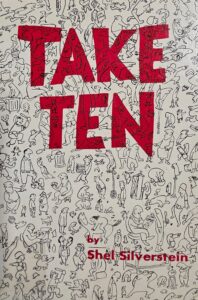
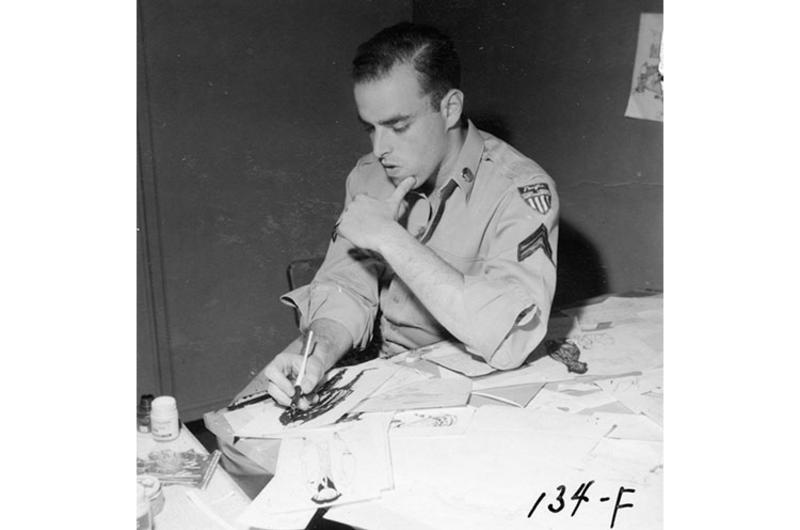
Shel Silverstein at Pacific Stars and Stripes: The “Take Ten” Years
Long before he became a beloved children’s author and poet with classics like The Giving Tree and Where the Sidewalk Ends, Shel Silverstein was a young U.S. Army draftee stationed in Tokyo, Japan.
During the mid-1950s—specifically from 1954 to 1956—Silverstein found his artistic footing at the Hardy Barracks building, home of the Pacific Stars and Stripes newspaper. Serving as a military cartoonist, he produced work that became an essential morale booster for thousands of servicemen and women stationed overseas during a period of high geopolitical tension.
The Birth of “Take Ten”
The defining creative output of Silverstein’s time at Stars and Stripes was his popular cartoon series, “Take Ten.”
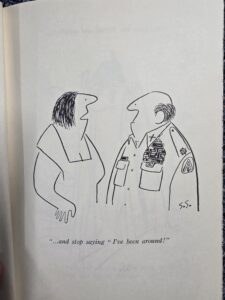
Unlike traditional, stiff military public relations materials, “Take Ten” offered a sharply humorous, deeply relatable, and sometimes irreverent look at everyday military life. Through his distinct artistic style and witty captions, Silverstein captured the universal experiences of enlisted personnel:
The monotony of camp life and inspections
The trials and tribulations of basic training
The quirks of military hierarchy
The homesickness and humor shared by troops far away from home
Why Silverstein’s Cartoons Mattered to Our Troops
For soldiers stationed thousands of miles away from the United States, receiving a copy of Pacific Stars and Stripes wasn’t just about reading world news—it was about finding community.
Silverstein’s cartoons served as an invaluable emotional outlet. By poking fun at the absurdities of daily service, “Take Ten” gave troops permission to laugh at their shared struggles. It transformed the newspaper into a trusted companion, reminding service members that someone in the newsroom truly understood what they were going through.
His time in Tokyo did more than just shape his early artistic career; it laid the foundation for a lifelong ability to connect with audiences through honest, witty, and profoundly human storytelling.
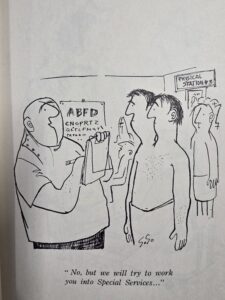
No, But I Will Try to Work You Into Special Services.
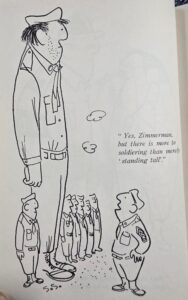
Yes, Zimmerman, but there is more to soldiering than merely 'standing tall'.