
The Union Soldiers of 1861
The First Stars & Stripes Staff
The Publishers:
When Union forces occupied Bloomfield, Missouri, in November 1861, creating the very first edition of The Stars and Stripes required more than just a printing press—it required experienced tradesmen who understood the business of news. Benson T. Atherton and Charles M. Edwards were the civilian newspapermen who put aside their typesetting font and ink to answer the call of duty, stepping forward to manage the publication and distribution of the historic four-page broadside that kept frontline troops informed.
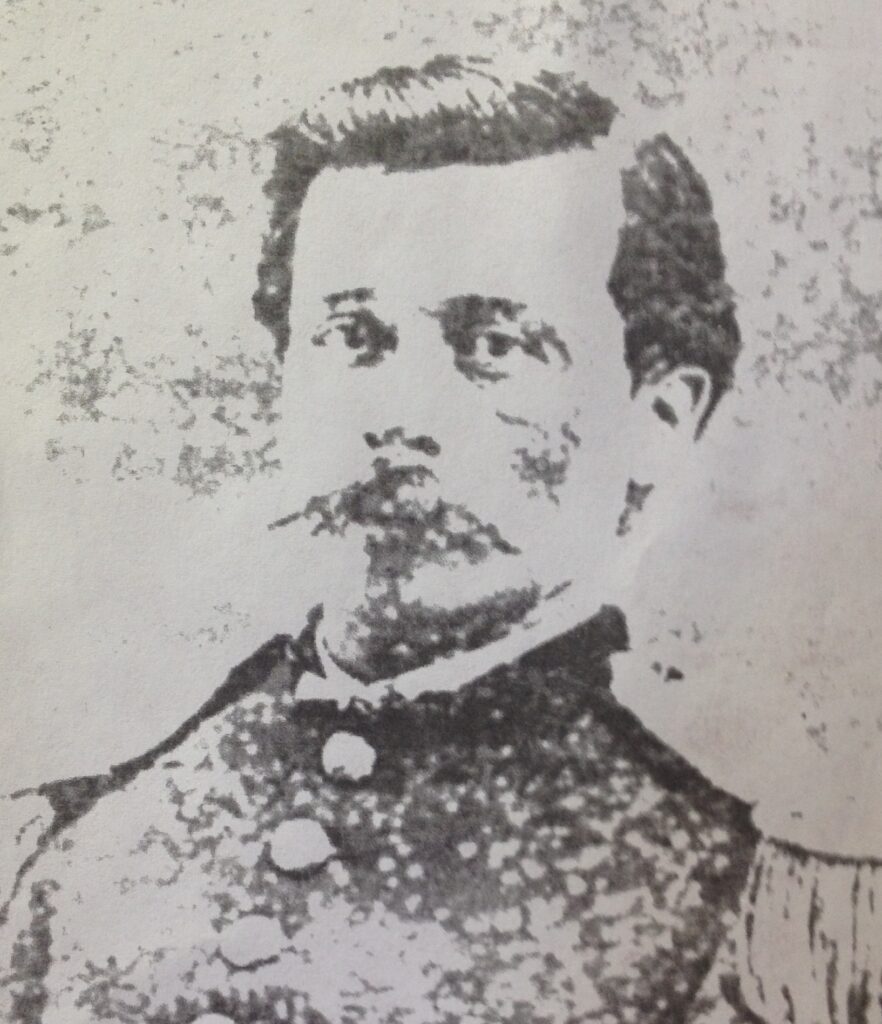
CHARLES M. EDWARDS of Shawneetown, Illinois, was a dedicated newspaperman both before and after the Civil War. He entered the conflict as a private but quickly demonstrated leadership, rising to the rank of 1st Lieutenant in Company B, 18th Illinois Infantry. His military career continued after the war; in February 1866, he was commissioned into the regular U.S. Army as a 2nd Lieutenant and again climbed to 1st Lieutenant, serving on the frontiers of Texas and the Dakotas. Edwards retired on a disability in 1871 and passed away on July 30, 1879, in Taylor Falls, Minnesota.

BENSON T. ATHERTON of Fairfield, Illinois, was the publisher of the Prairie Pioneer before answering the call to service. He enlisted as a private in Company G of the 18th Illinois Infantry. During the fierce fighting at Fort Donelson, Tennessee, in February 1862, Atherton was wounded and sent home to recover. Though he later returned to duty, his gunshot wound left him permanently disabled. By special order of Major General Ulysses S. Grant, Atherton was honorably discharged on November 23, 1862.
The Editors:
While the publishers managed the logistics, it was the editors who gave the historic first edition its distinct voice. Walter A. Rhue and Robert F. Stewart, both hailing from Carmi, Illinois, stepped forward to shape the reporting, troop updates, and morale-boosting wit that filled the pages on November 9, 1861. Utilizing their sharp civilian newsroom instincts on the battlefield, both men would ultimately pay a profound physical price for their service during the grueling Fort Donelson campaign—yet neither ever lost their lifelong passion for the power of the press.
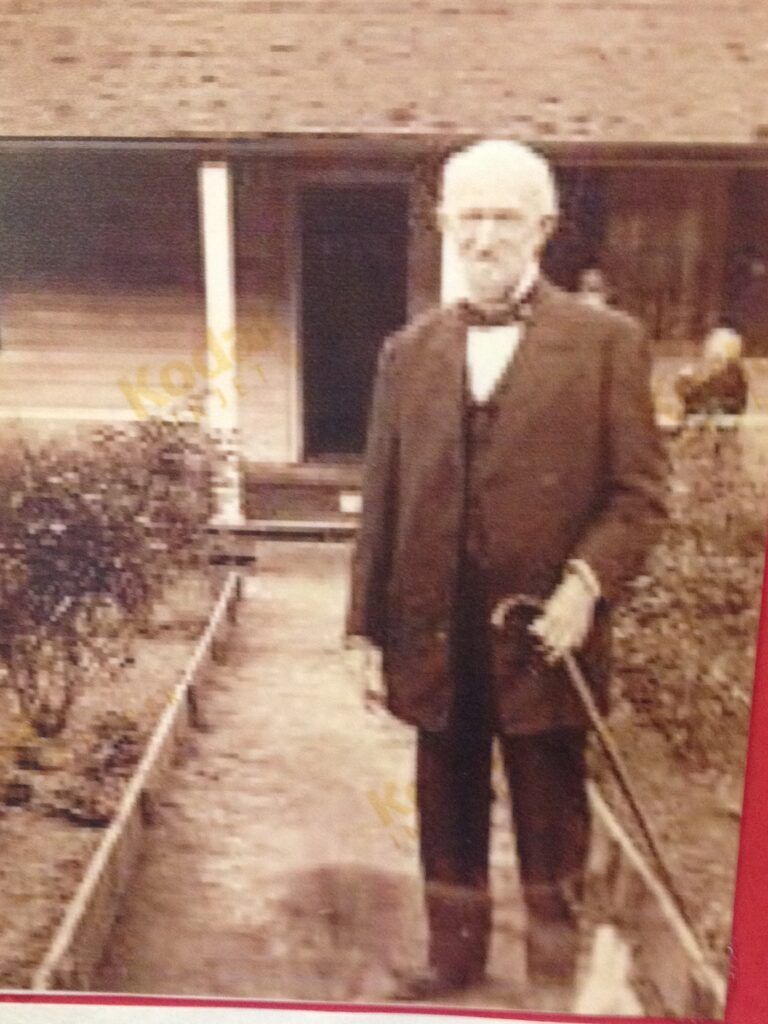
ROBERT F. STEWART of Carmi, Illinois had been an editor of The White County Advocate prior to the war. He was the 1st Sergeant of Company G, 29th Illinois Infantry. He became ill during the action at Fort Donelson, Tennessee in February 1862, he never regained his health and lost most of his sight. While Stewart was the editor and publisher of the Carmi (Illinois) Courier, his employees read the newspaper to him and assisted him with his signature. He died on June 10, 1913.
WALTER A. RHUE of Carmi, Illinois, was an experienced publisher before putting aside his trade to answer the call of duty. He initially enlisted as a private in Company G of the 18th Illinois Infantry before later transferring to the regimental band. Following the grueling Battle of Fort Donelson, Tennessee, Rhue fell severely ill and was hospitalized. The harsh conditions of military life, exposure, and contaminated water took a permanent toll on his health, leading to his honorable discharge on March 14, 1862. He spent his later years in Philadelphia, Pennsylvania, where he passed away on June 22, 1911.
The Printers:
If the publishers were the logistics and the editors were the voice, the printers were the hands that brought The Stars and Stripes to life. Operating in the wake of military occupation in Bloomfield, these soldiers put down their rifles to step into a local print shop and handle the grueling, meticulous work of manual typesetting. Reverting to their civilian trades, they arranged thousands of tiny metal letters backward, mixed ink, and hand-cranked the heavy iron press to transform the editors’ words into the physical, historic four-page broadside distributed to the troops on November 9, 1861.
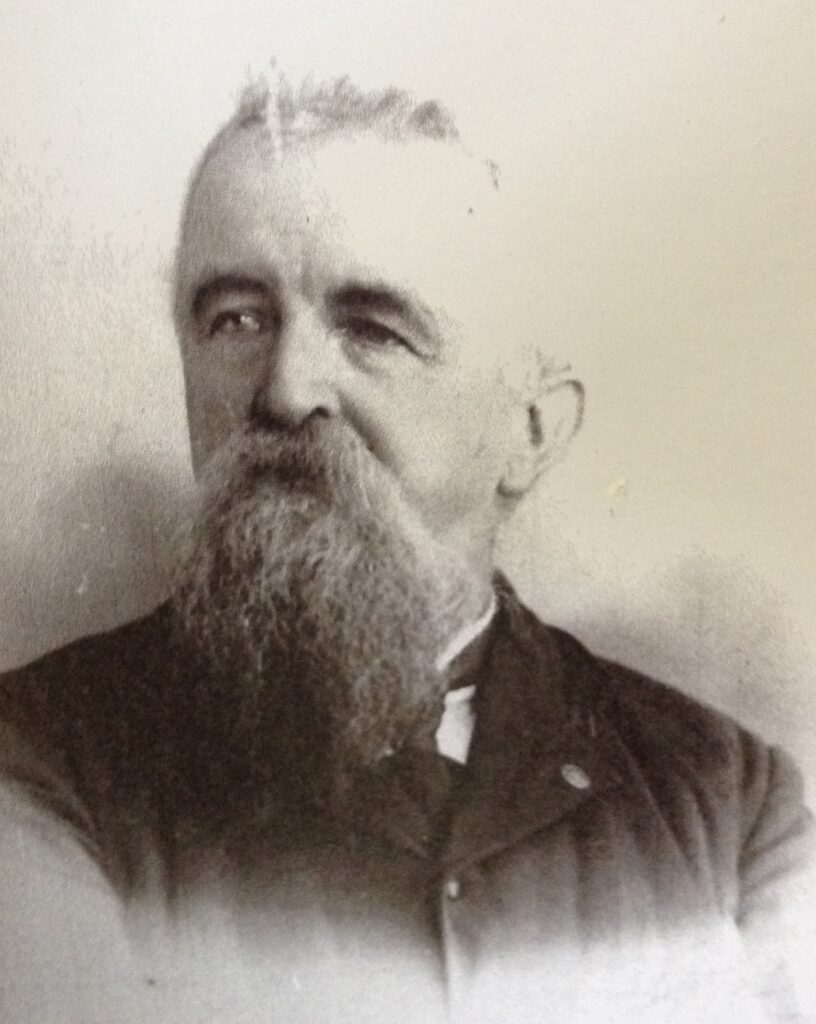
JOHN W. SCHELL of Fairfield, Illinois was a sergeant in Company D of the 8th Illinois Infantry. He was wounded in a shoulder by a mini ball during the Vicksburg Campaign. He was held as a prisoner of war in July of 1863 and paroled in September of that year. The 1860 Census listed Schell as a 22-year-old printer, born in Pennsylvania, with assets of $150. After the war he married and became an Alabama farmer, but served during the Spanish American War as a brigade wagon master. He died on August 6, 1917 at Grand Bay, Alabama. The museum has a wonderful photograph of Mr. Schell courtesy of the U.S. Army Military History Institute at Carlisle Barracks, Pennsylvania.
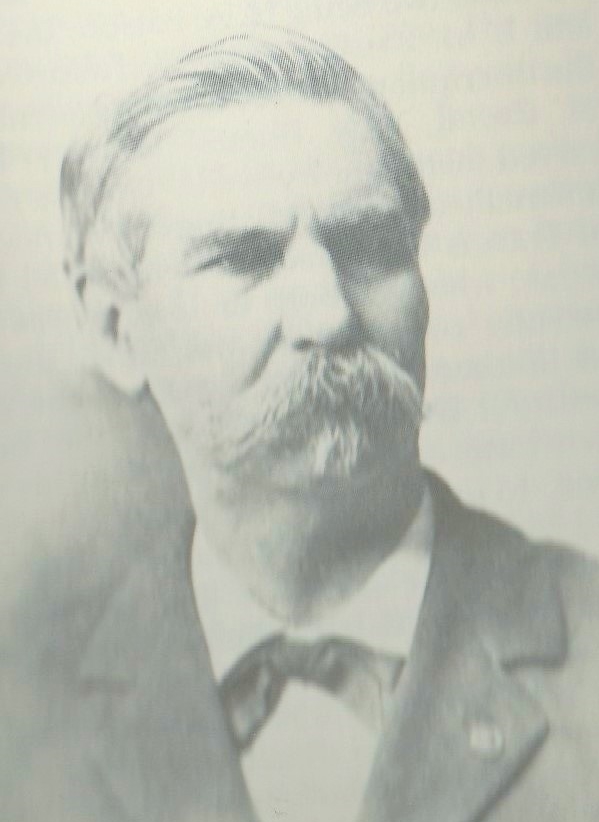
JOHN HARRIS BARTON of Anna, Illinois was 1st Lieutenant and the only officer among the ten first stripers. He enlisted in Company I, 18th Illinois Infantry on May 11, 1861, and he was discharged on November 17, 1861 due to failing eyesight and general disability. On General John Alexander McClernand’s recommendation, he was commissioned 1st Lt in General Grant’s secret service and stationed in Cairo. He was an undercover agent ostensibly working for the Cairo Gazette. He bought the Cairo Gazette in 1864. During his newspaper career, he was an owner, publisher and editor. He was born in 1837 in West Carlisle, Coshocton Co., Ohio and died on March 15, 1911 in Carbondale, Illinois. He is buried in the Oakland Cemetery in Carbondale.
JAMES T. BOZEMAN of Carmi, Illinois was a private in Company G, 18th Illinois Infantry and later transferred to the regimental band. He was an active member of the White County Bible Society and helped organize and provide Bibles to the people there. Bozeman built the Iona Mills that made “as good a flour as can be made anywhere in the country.” He is buried at the Old White County Cemetery in the city of Carmi.
THEODORE EDMONDSON of Fairfield, Illinois was a Corporal in Company G, 18th Illinois Infantry. He was publisher of the Illinois Patriot. The 1860 census lists Edmondson as a 17-year-old printer, born in Illinois, with $1900 in assets. During the war, he was detailed as a nurse in hospitals in Cincinnati, Ohio and Memphis, Tennessee. He was mustered out of service on June 1, 1864 in Springfield, Illinois.
OTIS P. MARTIN of Peoria, Illinois was serving as Sergeant Major of the 8th Illinois Infantry Regiment while in Bloomfield. On November 22, 1862, for unknown reasons, he was reduced to the ranks. In July of 1862, he was detailed to take charge of the government printing office in Jackson, Tennessee. He was mustered out of service on July 30, 1864.
THOMAS WALSH of Peoria, Illinois was a private in Company E, 8th Illinois Infantry. He received a gunshot wound in the chest on February 15, 1862, at Fort Donelson, Tennessee. His pension record indicated he was “physically broke down due to effects of a sunstroke during the siege of Vicksburg in 1863.” He was treated in the 1890s in Pittsburg, Pennsylvania for lung and kidney disease.